
Healing the Postpartum Pelvic Floor: Why It's More Than Just Kegels

Updated: Oct 14, 2025

After giving birth, many women are told to do Kegels to “strengthen” their pelvic floor and prevent issues like incontinence or prolapse. But is this really enough? While Kegels can be helpful for some, they often miss the full picture of pelvic health — especially in the postpartum period.
At BodyMoxie, we understand that healing the pelvic floor is a holistic process that requires more than just focusing on one muscle group. To truly restore balance and function, it’s crucial to address the pelvic floor in the context of the entire body. From breathing patterns to movement retraining, we believe in a comprehensive approach to postpartum recovery.
What Is the Pelvic Floor, and Why Does It Matter Postpartum?
The pelvic floor is a group of muscles that sit at the bottom of your pelvis, like a hammock, supporting your bladder, bowel, and uterus. These muscles play a vital role in:
Bladder and bowel control
Sexual function
Postural support
Core stability
During pregnancy and childbirth, these muscles are put under significant strain. The weight of the growing baby and the pressure during labor (especially during vaginal delivery) can stretch, weaken, or even tear the pelvic floor. In the case of a C-section, the pelvic floor may not be as directly affected, but scar tissue and compensations can still create long-term dysfunction.
The Common Pelvic Floor Issues Postpartum Women Face
1. Incontinence: Urinary incontinence (leakage) is one of the most common postpartum pelvic floor issues. It can happen when the pelvic floor muscles are too weak to hold in urine, especially when sneezing, coughing, or laughing.
2. Pelvic Organ Prolapse: Pelvic organ prolapse occurs when the pelvic organs (bladder, uterus, rectum) begin to drop into the vaginal canal. This happens when the pelvic floor muscles are unable to provide adequate support.
3. Painful Intercourse: After birth, many women experience discomfort during sex due to pelvic floor muscle tension or scarring. These muscles might be too tight, too weak, or both, which can lead to pain during intimacy.
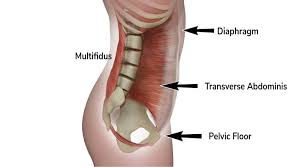
4. Core Dysfunction: The pelvic floor doesn’t function in isolation; it’s deeply connected to the core muscles (like the abdominals and diaphragm). If your pelvic floor is weakened, the entire core system may be out of sync, affecting posture, movement, and even breathing.
Why Kegels Aren’t the Whole Solution
Kegels are often recommended as the go-to exercise for pelvic floor health, but they only address one part of the problem: strengthening the pelvic muscles. In reality, many women in the postpartum period have tight or overactive pelvic floor muscles, not weak ones. In these cases, doing more Kegels can exacerbate the issue.
For example:
If the pelvic floor muscles are too tight due to stress, scar tissue, or postural imbalances, Kegels can increase tension and worsen symptoms.
If the muscles are too weak, Kegels can help, but they won’t address the whole system of support needed for pelvic health — like proper breathing patterns and coordination with the deep core muscles.
This is why a holistic approach to pelvic floor rehabilitation is essential. The pelvic floor doesn’t function in a vacuum; it’s part of a complex system of muscles and tissues that need to work together for optimal function.
How BodyMoxie Takes a Holistic Approach to Pelvic Floor Health
At BodyMoxie, we offer a comprehensive approach to pelvic floor recovery that goes beyond just Kegels. Our goal is to help you reconnect with your body and restore proper movement patterns that support your pelvic health in the long term. Here’s how we do it:
1. Pelvic Floor Therapy: Understanding Your Body’s Needs
Our pelvic floor therapy focuses on individualized treatment plans to address your unique symptoms and challenges. We don’t just focus on strengthening the pelvic floor — we take a detailed approach that looks at your entire body. This may involve:
Manual therapy to release tension in tight muscles or scar tissue
Breathing exercises to help relax the pelvic floor and encourage optimal activation
Postural assessment to address any alignment issues contributing to pelvic dysfunction
2. NeuroKinetic Therapy (NKT): Rebuilding the Brain-Muscle Connection
NeuroKinetic Therapy® (NKT) is a key part of our approach to healing the pelvic floor. NKT helps us identify and address movement dysfunctions that may be contributing to pelvic floor issues. After childbirth, your body may compensate for weak or inhibited pelvic floor muscles by relying on other muscles — like the hip flexors, back, or even the diaphragm — to do the work.
NKT uses muscle testing to pinpoint these compensations and retrain the brain to use the right muscles at the right time. By restoring proper muscle function and coordination, NKT helps ensure that your pelvic floor isn’t working alone, but in harmony with the rest of your body.
3. Breathwork and Postural Alignment
Breathing is deeply connected to pelvic health. The diaphragm and pelvic floor work together to create a stable, functional core. At Body Moxie, we teach clients how to use diaphragmatic breathing (or “belly breathing”) to engage the pelvic floor gently, without causing tension or strain.
Additionally, we help you become more aware of your posture and movement patterns in daily life. How you sit, stand, lift, and carry your baby can either support or hinder your pelvic floor recovery. Simple adjustments — like sitting on a supportive chair or engaging your core while lifting — can make a big difference.
4. Customized Movement Plans
We don’t just want you to “fix” your pelvic floor; we want to help you move better overall. Whether it’s through gentle core exercises or progressive postpartum workouts, we create a plan that works for you. As you regain pelvic floor strength and function, we ensure that your movement supports your long-term recovery and empowers you to feel stronger, more confident, and more connected to your body.
Why Holistic Pelvic Floor Rehab Matters
The pelvic floor is at the foundation of your core and overall well-being. Addressing it with a one-dimensional approach — like just doing Kegels — can lead to incomplete healing and long-term dysfunction. Instead, a holistic, body-integrated approach helps address not only the pelvic floor muscles, but also the muscles that support them, the breath that fuels them, and the movements that activate them.
At BodyMoxie, we believe that postpartum recovery is not a race. It’s about reconnecting with your body, understanding how it’s changed, and giving it the time and support it needs to heal fully and function well.
Ready to Heal Your Pelvic Floor?
If you’re experiencing pelvic floor issues — whether it’s incontinence, prolapse, or pain during sex — it’s time to stop simply “doing Kegels” and start addressing the full picture.
At BodyMoxie, we offer a holistic, personalized approach to pelvic floor rehab that integrates pelvic floor therapy, NeuroKinetic Therapy, and body awareness techniques. If you’re ready to heal your pelvic floor and restore balance, we’d love to support you on your journey.
👉 Contact us to schedule a consultation and begin your postpartum recovery today.


Comments