
Scars, the Nervous System, and How NeuroKinetic Therapy at BodyMoxie Can Help


Most people think of scars as just surface-level — something that fades with time. But what if a scar is quietly affecting the way your body moves, breathes, or even feels pain?
At BodyMoxie, we use NeuroKinetic Therapy® (NKT) to assess and correct hidden compensation patterns in the body — and scars are often the missing piece. Whether your scar is from surgery, injury, or even a piercing, it may be interfering with your movement in ways you haven’t considered.
What Is NeuroKinetic Therapy?
NeuroKinetic Therapy® is a brain-based approach to movement and rehabilitation. Instead of only focusing on tight or weak muscles, NKT asks:👉 Why is that muscle tight?👉 What is compensating for what?
NKT uses muscle testing and motor control theory to trace dysfunctional movement patterns back to their source — often revealing overlooked causes like old injuries, trauma, or scar tissue.
At BodyMoxie, we use NKT to help you move smarter, not just harder.
Why Scars Matter
Scars are more than skin deep — they can:
Create fascial adhesions that restrict movement
Interrupt proprioception (your body's sense of position)
Trigger the nervous system to “guard” or over-protect the area
Lead to compensation patterns in other parts of the body
Over time, this can cause instability, pain, or reduced mobility in areas that seem totally unrelated to the scar.
Examples of How Scars Cause Compensations:
A C-section scar may inhibit core activation, leading to back pain or hip tightness
Shoulder surgery might cause neck tension due to altered recruitment patterns
An old ankle injury may shift your entire gait, impacting knee or hip mechanics
Even piercings or tattoos can affect muscle recruitment if they irritate certain dermatomes or fascial lines
The Nervous System Remembers
Even if your scar is 10, 20, or 30 years old, the neurological imprint it left behind can still be active. While the tissue might appear fully healed, the motor control center in your brain may still be “protecting” the area.
This is why pain, weakness, or stiffness often persist despite stretching, strengthening, or foam rolling.
At BodyMoxie, we don’t just treat symptoms — we identify and retrain the faulty movement programs behind them.
How We Work With Scars at BodyMoxie
In a typical NKT session at bodymoxie.org, we:
Assess your movement and muscle activation
Use manual muscle testing to identify imbalances or inhibited muscles
Explore whether a scar is acting as a neurological disruptor
Apply gentle scar release techniques (manual work, breathwork, or visceral integration)
Reinforce better patterns with targeted corrective exercises

Scar Types That Commonly Affect Movement
Some of the most overlooked movement disruptors we see in our studio include:
C-section or hysterectomy scars
Laparoscopic surgery scars
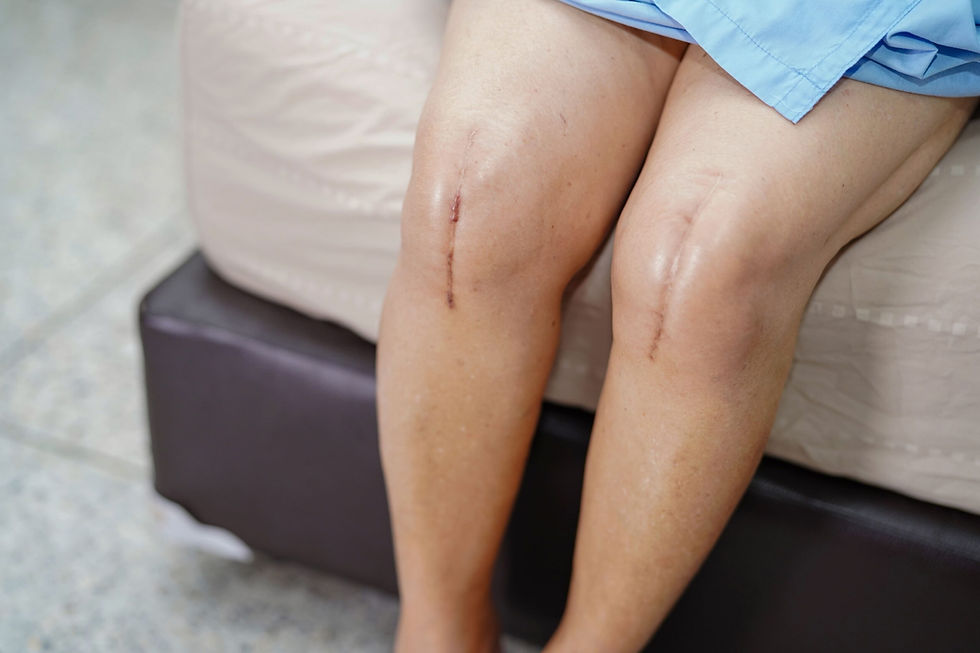
Joint surgery (knee, shoulder, hip)
Appendectomy scars
Head trauma or concussion scars
Childhood injuries or stitches
Tattoos and piercings in high-traffic nerve/fascial areas
Try This at Home
You can try a simple experiment right now:
Lie down comfortably.
Place your hand gently on a scar.
Breathe slowly and notice any changes — in your breath, posture, or tension.
You might be surprised by how much your body responds. If so, that’s a clue that the scar may still be neurologically active.
Why Choose BodyMoxie?
At BodyMoxie, we help you move better by getting to the why behind the movement issue — not just the what. Our work is gentle, focused, and rooted in body intelligence. We use tools like:
✅ NeuroKinetic Therapy✅ Scar and fascial release✅ Breath integration✅ Corrective movement
Whether you’re an athlete, new parent, recovering from surgery, or just feel “off” in your body, we can help you reclaim movement that feels grounded and powerful.
Ready to See If a Scar Is Holding You Back?
Book a NeuroKinetic Therapy session at👉 https://www.bodymoxie.org/services
Let’s uncover the hidden patterns keeping your body stuck — and help you move with more strength, awareness, and ease.


Comments