
Pelvic Floor Prolapse and Back Pain: Why the Intrinsic Core Matters

Updated: Oct 14, 2025

Pelvic floor prolapse and back pain are struggles that often go hand in hand, though they’re rarely addressed as part of the same conversation. At Body Moxie, we see them for what they truly are: signs that your core system is out of sync, and that your body has been compensating in the only way it knows how.
The good news? These patterns can be changed—and you don’t need invasive exams, endless Kegels, or bracing strategies to get there.
Our approach focuses on restoring function through breath, movement, and nervous system-based work, including NeuroKinetic Therapy (NKT)—a powerful tool we use to help retrain your body’s patterns from the outside in.
No internal exams. No guesswork. Just clear communication with your body, guided by what it's telling us.
Your Core Is More Than Abs
When we talk about core healing, most people think of crunches or "engaging their abs." But the true foundation of your core—the intrinsic core—runs much deeper. It includes the pelvic floor, diaphragm, deep abdominals, and the stabilizing muscles of the spine.
These muscles form a pressure and support system that holds you upright, keeps your organs in place, and allows you to breathe, move, and function with ease.
When this system is disrupted—whether by pregnancy, injury, surgery, or compensation patterns—problems like pelvic organ prolapse, back pain, hip instability, and urinary issues often follow.
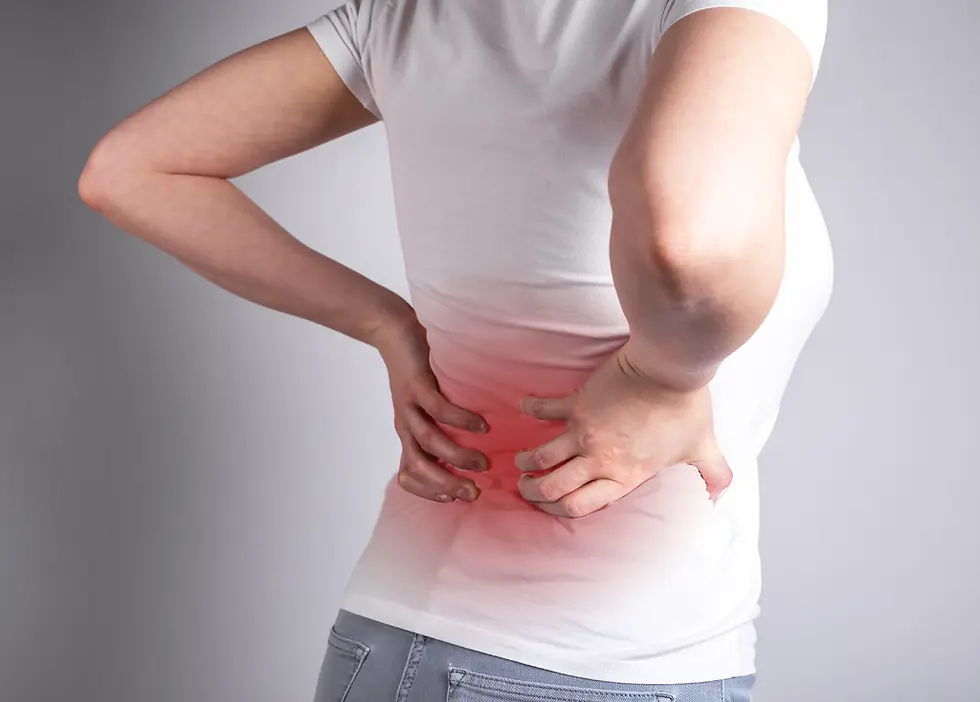
How Pelvic Floor Dysfunction and Back Pain Are Connected
Many of our clients come in with symptoms like:
A sense of heaviness or bulging in the pelvic area
Lower back pain that flares during standing or lifting
Hip tightness or weakness
Difficulty breathing deeply
Core weakness or disconnect
These are often not separate issues—they’re part of a global pattern. The pelvic floor may be overworking or under-responding. The diaphragm may not be moving fully. The spine may be absorbing forces it wasn’t designed to handle because the core isn't distributing pressure properly.
You might feel like you’ve tried everything. But the truth is, until your deep core system is back online and integrated, symptoms often persist—no matter how strong your outer muscles are.
Our Approach at Body Moxie
At BodyMoxie, we help people restore true core function through a non-invasive, full-body approach that reconnects the nervous system, muscles, and breath. We incorporate tools like:
Functional movement assessment
Breathing retraining
GYROTONIC®
NeuroKinetic Therapy (NKT)
We use NKT not to chase pain, but to understand what the body is compensating for—and how to correct it at the source. What makes our approach unique is that we’re able to work externally, without the need for internal pelvic exams, while still addressing deep pelvic floor dysfunction effectively.
This is especially important for clients who are:
Postpartum and not ready for internal work
Healing from trauma
Recovering from surgery
Simply looking for a more holistic approach
You do not need to be touched internally to heal. The body tells us everything we need to know—if we know how to listen.

Breathing: The Missing Link in Pelvic and Spinal Health
If you’re gripping your abs all day, holding your breath when you lift, or struggling to breathe deeply, you’re not alone—and you’re not broken.
We help clients reconnect to their diaphragmatic breath, which restores healthy coordination between the pelvic floor and the rest of the core system. This simple but powerful shift improves:
Pelvic support
Postural stability
Low back function
Nervous system regulation
Breathing better is often the first step toward moving better, feeling more stable, and reducing pain.
You Don’t Need Kegels (Really)
Kegels are often prescribed as a blanket solution for pelvic floor dysfunction, but they’re not always appropriate—and they’re almost never the full answer or even performed correctly.
At BodyMoxie, we don’t rely on Kegels, bracing, or isolated strengthening. Instead, we help you:
Identify what’s not working—and why
Restore coordination between the pelvic floor, breath, and core
Move with more ease and less compensation
Rebuild strength that feels natural, not forced
No Internal Exams. No Shame. Just Whole-Body Healing.
You deserve care that respects your boundaries, your story, and your body’s wisdom. At BodyMoxie, we combine GYROTONIC®, breath, and NKT to help you reconnect with your core—on your terms.
Whether you’re postpartum, post-surgery, or simply tired of feeling unsupported, this work offers a path back to strength, confidence, and stability—without pushing you past your comfort zone.
Ready to Feel Strong From the Inside Out?
If you’re navigating pelvic floor dysfunction or persistent back pain, let’s work together. You can feel supported, stable, and pain-free—without internal exams or invasive protocols.
This is your body. You get to heal in a way that honors it. Book an appointment.


Comments